
鸿蒙三方库 | harmony-utils之WindowUtil子窗口创建与销毁详解
·
前言
子窗口是HarmonyOS窗口系统的重要概念,用于实现悬浮窗、弹窗、画中画等高级UI效果。@pura/harmony-utils 的 WindowUtil 封装了子窗口的创建、显示和销毁方法,让开发者可以轻松管理子窗口的生命周期。本文将从API说明、代码实战、进阶用法、常见问题等多个维度进行全面讲解,帮助开发者快速掌握并应用到实际项目中。
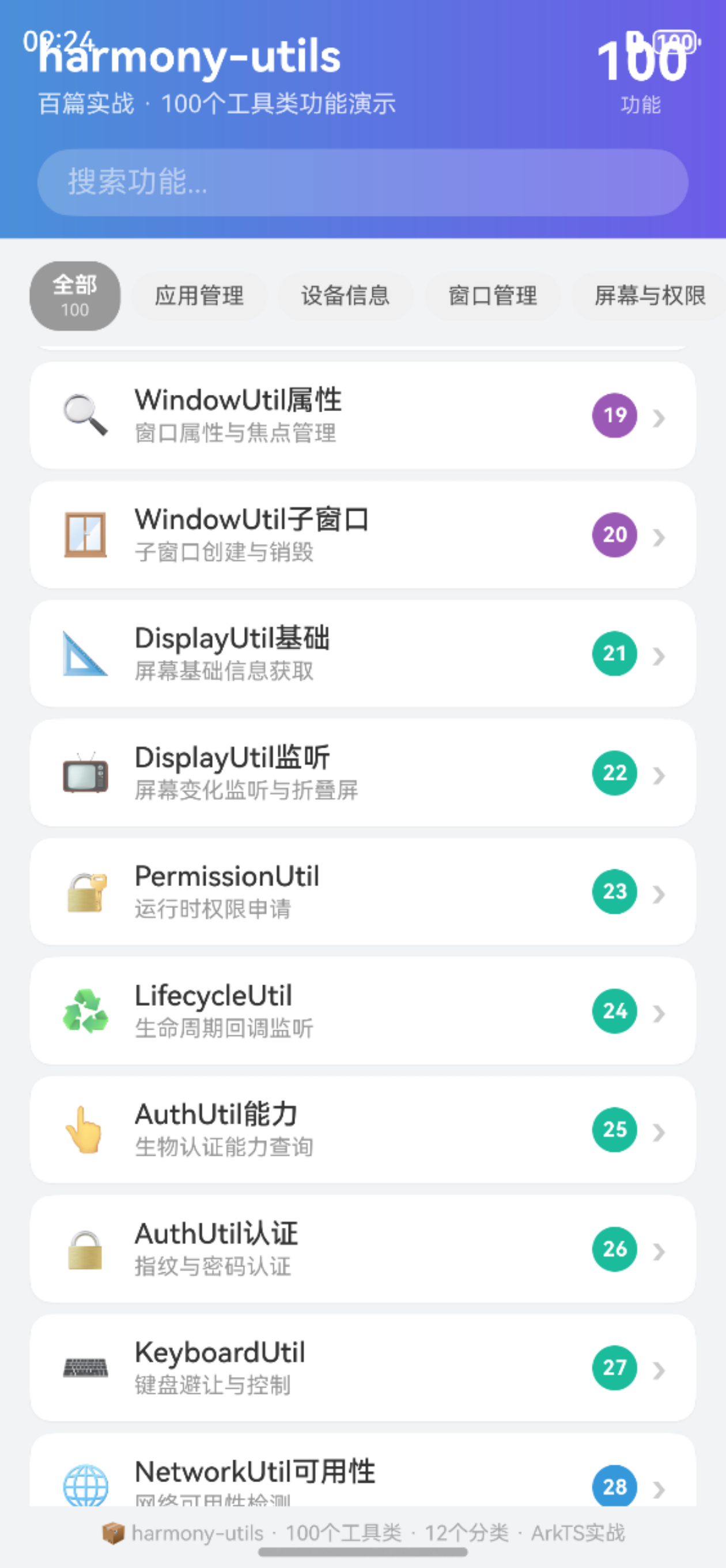
一、WindowUtil子窗口核心API
WindowUtil 提供了以下子窗口管理方法:
| 方法 | 说明 | 参数 | 使用场景 |
|---|---|---|---|
createSubWindow(name) |
创建子窗口 | string | 悬浮窗、弹窗 |
showSubWindow(name) |
显示子窗口 | string | 子窗口显示 |
hideSubWindow(name) |
隐藏子窗口 | string | 子窗口隐藏 |
destroySubWindow(name) |
销毁子窗口 | string | 释放资源 |
1.1 核心特性
- 简洁易用:封装复杂API为一行调用,降低使用门槛
- 类型安全:完整的TypeScript类型定义,编译期即可发现错误
- 异常处理:内置异常捕获机制,避免运行时崩溃
- 生命周期管理:支持创建、显示、隐藏、销毁完整生命周期
1.2 子窗口生命周期
| 状态 | 方法 | 说明 |
|---|---|---|
| 创建 | createSubWindow |
创建子窗口实例 |
| 显示 | showSubWindow |
将子窗口显示到屏幕 |
| 隐藏 | hideSubWindow |
隐藏子窗口但不销毁 |
| 销毁 | destroySubWindow |
销毁子窗口释放资源 |
二、完整使用步骤
2.1 安装依赖
ohpm install @pura/harmony-utils
2.2 创建子窗口
import { WindowUtil } from '@pura/harmony-utils';

Button('创建子窗口')
  .width('100%')
  .onClick(async () => {
    try {
      let subWindow = await WindowUtil.createSubWindow('mySubWindow');
      this.result = '子窗口创建成功 ✅\n名称: mySubWindow';
    } catch (e) {
      this.result = '异常: ' + e;
    }
  })
2.3 显示与隐藏子窗口
Button('显示子窗口')
  .width('100%')
  .onClick(async () => {
    try {
      await WindowUtil.showSubWindow('mySubWindow');
      this.result = '子窗口已显示 👁️';
    } catch (e) {
      this.result = '异常: ' + e;
    }
  })

Button('隐藏子窗口')
  .width('100%')
  .onClick(async () => {
    try {
      await WindowUtil.hideSubWindow('mySubWindow');
      this.result = '子窗口已隐藏 🙈';
    } catch (e) {
      this.result = '异常: ' + e;
    }
  })
2.4 销毁子窗口
Button('销毁子窗口')
  .width('100%')
  .onClick(async () => {
    try {
      await WindowUtil.destroySubWindow('mySubWindow');
      this.result = '子窗口已销毁 🗑️';
    } catch (e) {
      this.result = '异常: ' + e;
    }
  })
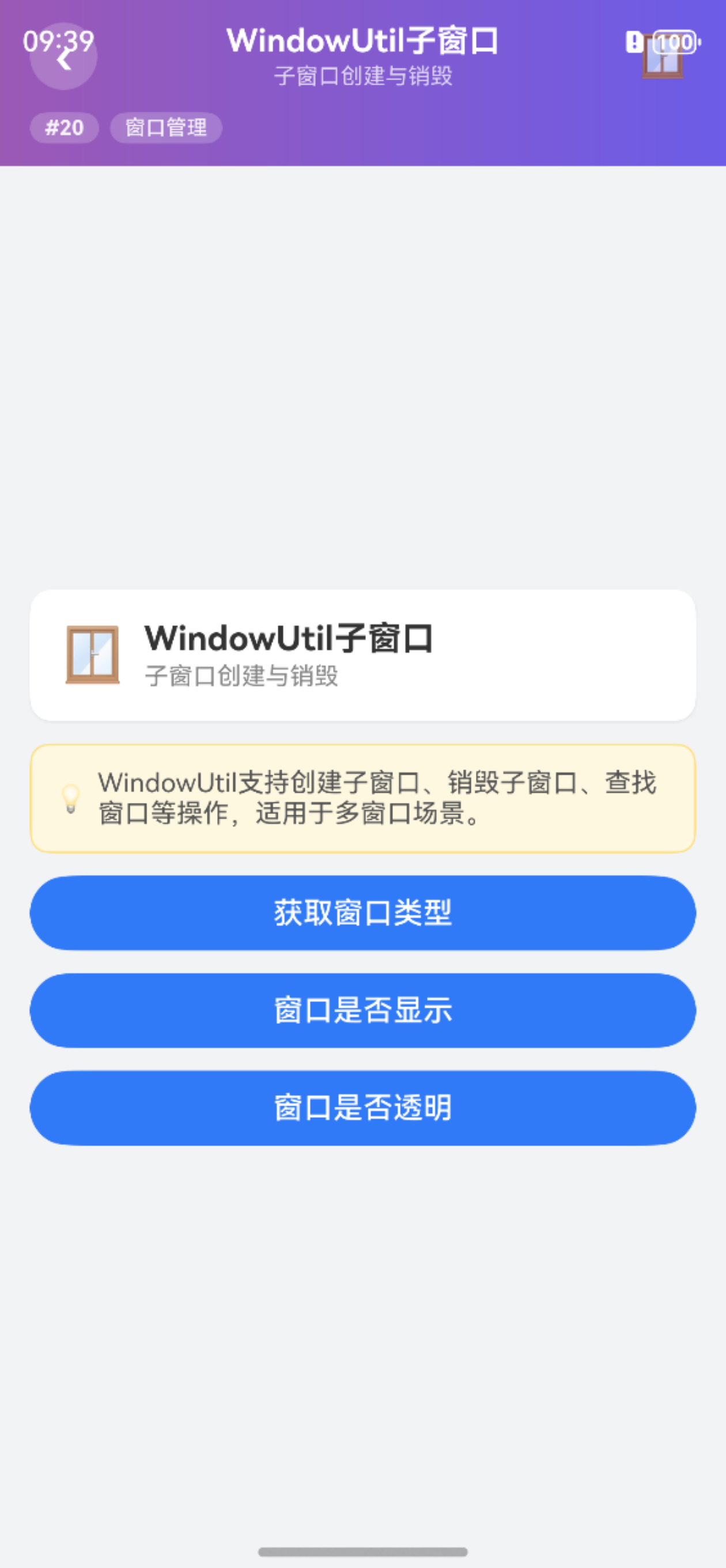
三、完整页面示例
import { WindowUtil } from '@pura/harmony-utils';

@Entry
@Component
struct SubWindowDemo {
  @State result: string = '';

  build() {
    Column({ space: 12 }) {
      Button('创建子窗口').width('100%').onClick(async () => {
        try {
          await WindowUtil.createSubWindow('demoSub');
          this.result = '子窗口创建成功';
        } catch (e) { this.result = '异常: ' + e; }
      });
      Button('销毁子窗口').width('100%').onClick(async () => {
        try {
          await WindowUtil.destroySubWindow('demoSub');
          this.result = '子窗口已销毁';
        } catch (e) { this.result = '异常: ' + e; }
      });
      Text(this.result).fontSize(14).fontColor('#333333')
    }
    .padding(16)
  }
}
四、进阶用法
4.1 悬浮窗实现
import { WindowUtil } from '@pura/harmony-utils';

async function createFloatingWindow() {
  let subWindow = await WindowUtil.createSubWindow('floatWindow');
  await WindowUtil.showSubWindow('floatWindow');
}

async function destroyFloatingWindow() {
  await WindowUtil.hideSubWindow('floatWindow');
  await WindowUtil.destroySubWindow('floatWindow');
}
4.2 子窗口生命周期管理
aboutToDisappear() {
  try {
    WindowUtil.destroySubWindow('mySubWindow');
  } catch (e) {
    // 子窗口可能已销毁
  }
}
五、注意事项
- 窗口名称:每个子窗口需要唯一的名称标识
- 异步操作:子窗口操作均为异步,需使用async/await
- 资源释放:不再使用的子窗口应及时销毁,避免内存泄漏
- 初始化依赖:使用前需确保
AppUtil.init()已调用 - 权限要求:悬浮窗可能需要系统权限
六、常见问题
Q1: 创建子窗口失败怎么办?
检查窗口名称是否重复,以及是否在UIAbility的onCreate中完成了初始化。
Q2: 子窗口可以设置大小和位置吗?
可以,创建子窗口后可以通过返回的Window对象设置大小、位置等属性。
Q3: 隐藏和销毁有什么区别?
隐藏只是不显示,子窗口仍然存在;销毁会释放所有资源,需要重新创建才能使用。
Q4: 子窗口数量有限制吗?
系统对子窗口数量有一定限制,建议按需创建并及时销毁不再使用的子窗口。
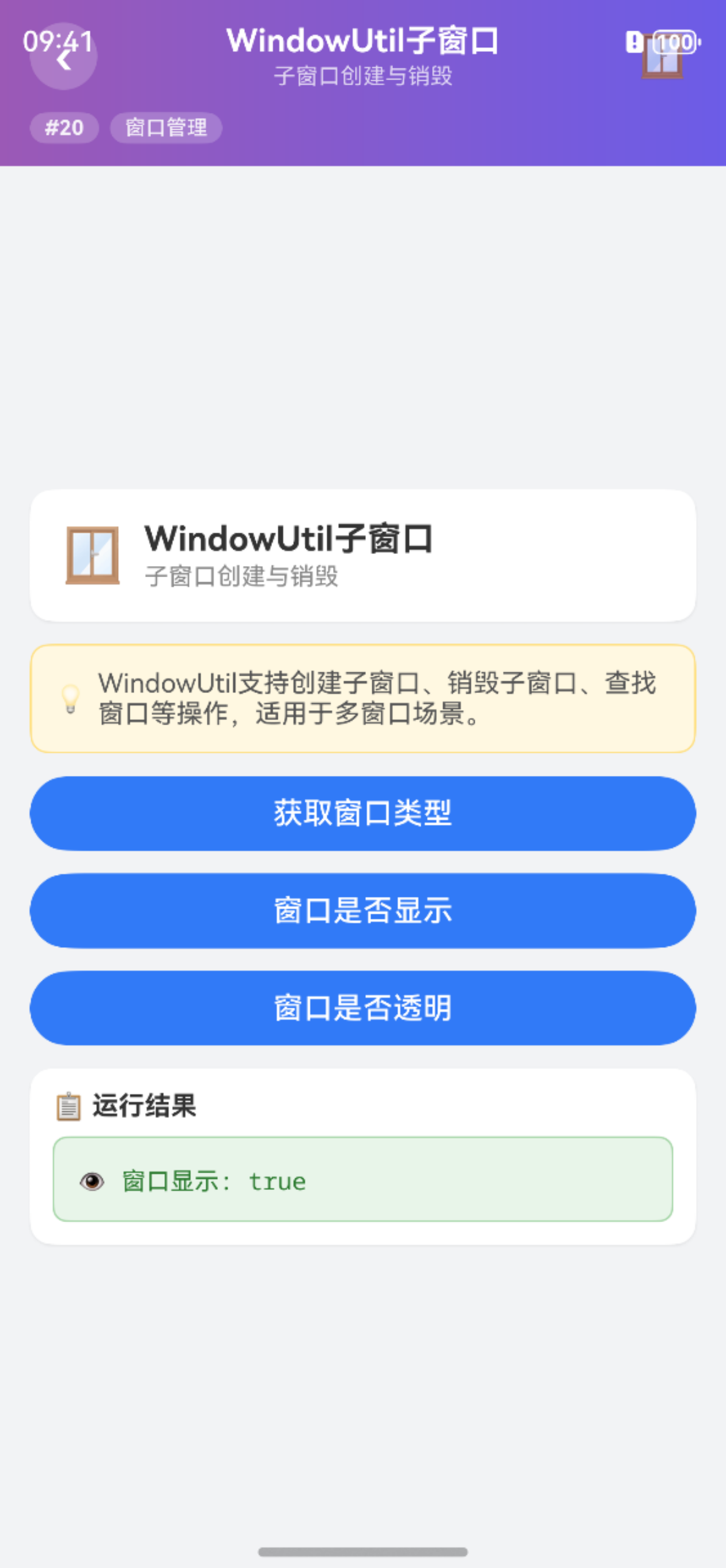
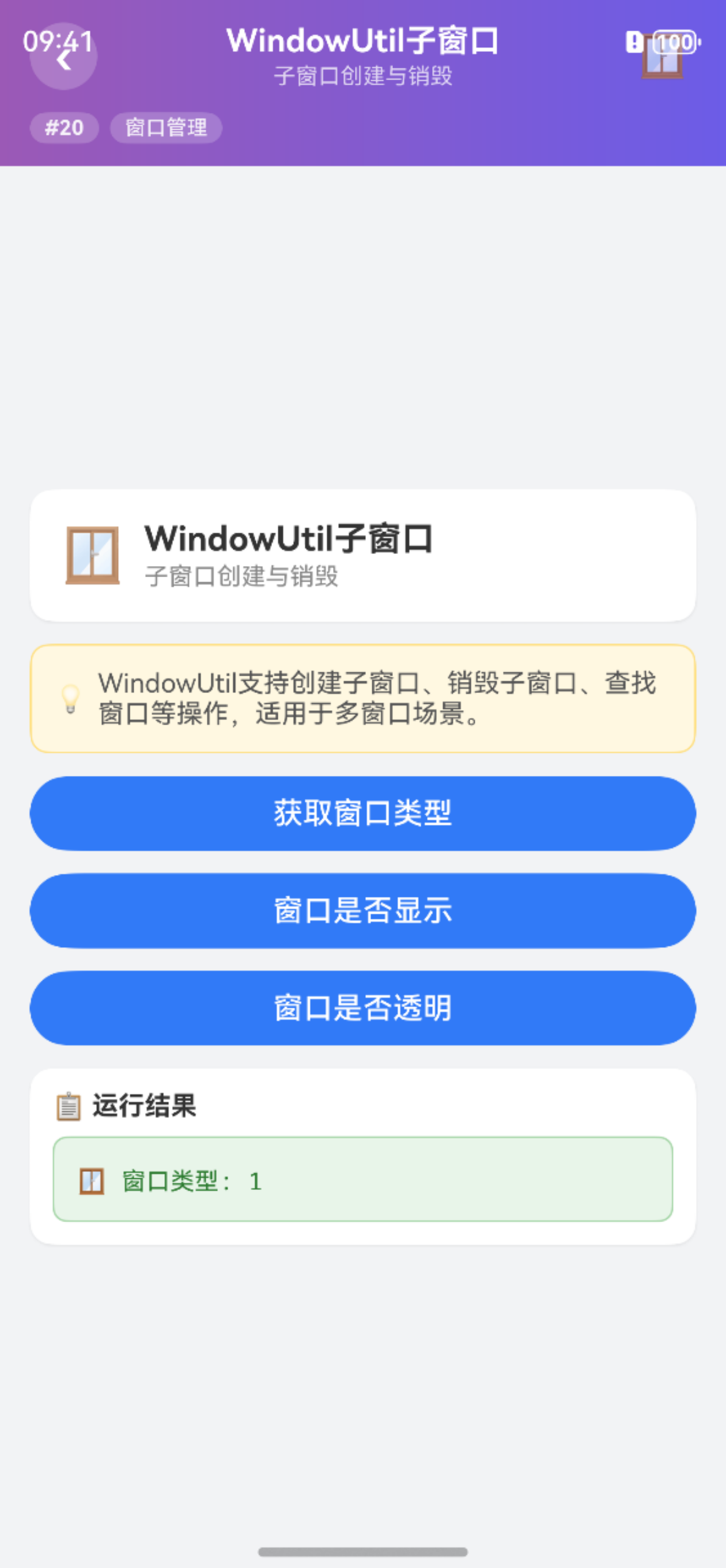
总结
WindowUtil 的子窗口管理方法为应用提供了灵活的多窗口能力。本文详细介绍了核心API、使用步骤、完整示例、进阶用法以及常见问题的解决方案。合理使用子窗口,可以实现悬浮窗、弹窗等高级UI效果。
本文基于
@pura/harmony-utils工具库,更多功能请参考官方文档与后续系列文章。

作为“人工智能6S店”的官方数字引擎,为AI开发者与企业提供一个覆盖软硬件全栈、一站式门户。
更多推荐
 2
2 0
0- 0


 已为社区贡献42条内容

所有评论(0)