
鸿蒙原生ArkTS布局方式之Stack中层叠布局深度解析
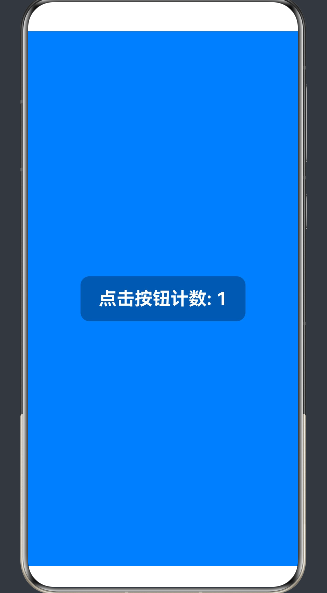
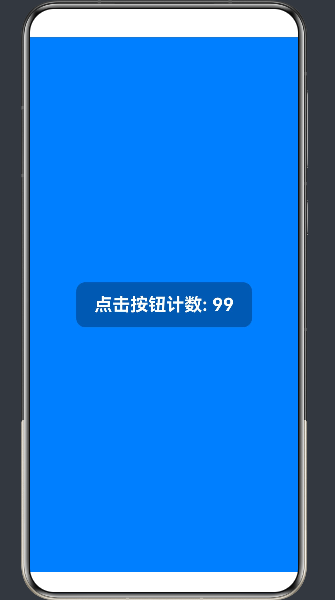
项目演示
第一章 Stack布局概述
1.1 什么是Stack布局
在鸿蒙HarmonyOS ArkUI框架中,Stack是一种层叠布局容器,它允许子组件按照声明顺序依次入栈,后一个子组件覆盖前一个子组件。这种布局方式类似于CSS中的position: absolute或者Android中的FrameLayout,是实现复杂UI叠加效果的基础组件。
Stack布局的核心特点:
- 层叠性:子组件在垂直于屏幕的方向上堆叠
- 覆盖性:后声明的子组件位于上层,会覆盖先声明的子组件
- 灵活性:支持多种对齐方式,可精确控制子组件位置
1.2 Stack布局的应用场景
Stack布局在实际开发中有着广泛的应用,主要包括以下场景:
场景一:图片叠加效果
Stack() {
  Image('background.jpg')
    .width('100%')
    .height(200)
  Text('图片标题')
    .fontColor('#FFFFFF')
    .fontSize(18)
}
场景二:悬浮按钮
Stack() {
  Column() {
    // 主内容区域
  }
  .width('100%')
  .height('100%')

  Button('悬浮按钮')
    .position({ x: 20, y: 20 })
}
场景三:遮罩层
Stack() {
  // 底层内容
  Column() {
    // 页面内容
  }

  // 遮罩层
  if (showMask) {
    Blank()
      .width('100%')
      .height('100%')
      .backgroundColor('rgba(0, 0, 0, 0.5)')
  }
}
1.3 Stack与其他布局容器的对比
| 布局容器 | 排列方式 | 适用场景 | 特点 |
|---|---|---|---|
| Column | 垂直排列 | 列表、表单 | 子组件沿垂直方向依次排列 |
| Row | 水平排列 | 导航栏、工具栏 | 子组件沿水平方向依次排列 |
| Flex | 弹性布局 | 复杂自适应布局 | 灵活的主轴和交叉轴控制 |
| Stack | 层叠排列 | 叠加效果、悬浮元素 | 子组件在垂直方向堆叠 |
| RelativeContainer | 相对定位 | 复杂相对布局 | 基于锚点的相对定位 |
第二章 Stack组件API详解
2.1 Stack构造函数
2.1.1 基本接口
Stack(value?: { alignContent?: Alignment })
参数说明:
| 参数名 | 类型 | 必填 | 默认值 | 说明 |
|---|---|---|---|---|
| alignContent | Alignment | 否 | Alignment.Center | 设置子组件在容器内的对齐方式 |
2.1.2 Alignment枚举值
Alignment枚举定义了子组件在Stack容器中的对齐方式,包含以下取值:
| 枚举值 | 数值 | 对齐效果 |
|---|---|---|
| Alignment.TopStart | 0 | 顶部左对齐 |
| Alignment.Top | 1 | 顶部居中对齐 |
| Alignment.TopEnd | 2 | 顶部右对齐 |
| Alignment.Start | 3 | 左对齐(垂直居中) |
| Alignment.Center | 4 | 水平和垂直居中对齐 |
| Alignment.End | 5 | 右对齐(垂直居中) |
| Alignment.BottomStart | 6 | 底部左对齐 |
| Alignment.Bottom | 7 | 底部居中对齐 |
| Alignment.BottomEnd | 8 | 底部右对齐 |
2.1.3 代码示例
@Entry
@Component
struct StackAlignExample {
  build() {
    Column({ space: 10 }) {
      // 顶部对齐
      Stack({ alignContent: Alignment.Top }) {
        Text('Top')
          .backgroundColor(Color.Yellow)
      }
      .width('100%')
      .height(80)
      .backgroundColor(Color.Gray)

      // 居中对齐(默认)
      Stack({ alignContent: Alignment.Center }) {
        Text('Center')
          .backgroundColor(Color.Yellow)
      }
      .width('100%')
      .height(80)
      .backgroundColor(Color.Gray)

      // 底部对齐
      Stack({ alignContent: Alignment.Bottom }) {
        Text('Bottom')
          .backgroundColor(Color.Yellow)
      }
      .width('100%')
      .height(80)
      .backgroundColor(Color.Gray)
    }
    .padding(20)
    .height('100%')
  }
}
2.2 Stack属性
2.2.1 alignContent属性
除了通过构造函数设置alignContent外,还可以通过属性链方式设置:
Stack() {
  Text('内容')
}
.width('100%')
.height(100)
.alignContent(Alignment.Center)
注意事项:
- 当同时通过构造函数和属性链设置alignContent时,后设置的属性生效
- alignContent属性对所有子组件生效,无法单独控制某个子组件的对齐方式
2.2.2 通用属性
Stack组件支持所有通用属性,主要包括:
尺寸属性:
width(value: Length | Resource)- 设置宽度height(value: Length | Resource)- 设置高度size({ width?: Length | Resource, height?: Length | Resource })- 同时设置宽高
背景属性:
backgroundColor(value: ResourceColor)- 设置背景颜色backgroundImage(value: Resource)- 设置背景图片backgroundImageSize(value: ImageSize)- 设置背景图片大小
边框属性:
border(value: BorderOptions)- 设置边框borderRadius(value: Length | Resource)- 设置圆角
内边距属性:
padding(value: Length | Resource | Padding)- 设置内边距
外边距属性:
margin(value: Length | Resource | Margin)- 设置外边距
2.3 Stack事件
Stack组件支持所有通用事件,主要包括:
触摸事件:
onClick(event: (event?: ClickEvent) => void)- 点击事件onTouch(event: (event: TouchEvent) => void)- 触摸事件onDoubleClick(event: (event?: ClickEvent) => void)- 双击事件
手势事件:
onPan(event: (event: PanGestureEvent) => void)- 滑动手势onPinch(event: (event: PinchGestureEvent) => void)- 捏合手势onRotate(event: (event: RotateGestureEvent) => void)- 旋转手势
焦点事件:
onFocus(event: () => void)- 获取焦点事件onBlur(event: () => void)- 失去焦点事件
第三章 Stack布局核心技术:alignContent
3.1 alignContent的作用机制
alignContent参数用于控制Stack容器内所有子组件的对齐方式。它决定了子组件在容器内的位置分布。
工作原理:
- Stack容器先确定自身的尺寸(通过width和height属性)
- 然后根据alignContent的值计算子组件的偏移量
- 所有子组件按照相同的偏移量进行定位
示例分析:
Stack({ alignContent: Alignment.Center }) {
  Text('第一层级')
    .width('80%')
    .height('80%')
    .backgroundColor(Color.Red)

  Text('第二层级')
    .width('60%')
    .height('60%')
    .backgroundColor(Color.Green)

  Text('第三层级')
    .width('40%')
    .height('40%')
    .backgroundColor(Color.Blue)
}
.width('100%')
.height(200)
在这个例子中:
- Stack容器高度为200
- 第一个Text高度为160(200 * 80%),垂直方向偏移为(200 - 160) / 2 = 20
- 第二个Text高度为120(200 * 60%),垂直方向偏移为(200 - 120) / 2 = 40
- 第三个Text高度为80(200 * 40%),垂直方向偏移为(200 - 80) / 2 = 60
水平方向的计算方式类似。
3.2 alignContent与子组件align属性的区别
在Stack布局中,子组件也可以设置align属性,但它与容器的alignContent有本质区别:
| 属性 | 作用范围 | 优先级 | 说明 |
|---|---|---|---|
| Stack.alignContent | 所有子组件 | 低 | 容器级别的对齐设置 |
| 子组件.align | 单个子组件 | 高 | 子组件级别的对齐设置,会覆盖容器设置 |
示例对比:
Stack({ alignContent: Alignment.Center }) {
  // 继承容器的居中对齐
  Text('继承容器对齐')
    .backgroundColor(Color.Red)

  // 覆盖容器设置,使用顶部对齐
  Text('自定义对齐')
    .backgroundColor(Color.Blue)
    .align(Alignment.Top)
}
.width('100%')
.height(150)
.backgroundColor(Color.Gray)
3.3 alignContent与position属性的配合使用
position属性可以精确控制子组件的位置,与alignContent配合使用可以实现更灵活的布局:
Stack({ alignContent: Alignment.Center }) {
  // 居中对齐(受alignContent影响)
  Text('居中内容')
    .backgroundColor(Color.Yellow)

  // 使用position精确定位,不受alignContent影响
  Text('精确位置')
    .backgroundColor(Color.Green)
    .position({ x: 20, y: 20 })
}
.width('100%')
.height(200)
注意: 使用position属性后,子组件的位置完全由position决定,不再受alignContent影响。
第四章 Stack布局实践案例
4.1 案例一:图片卡片布局
需求描述:
实现一个图片卡片,包含背景图片、标题、描述和标签。
@Entry
@Component
struct ImageCardExample {
  build() {
    Stack({ alignContent: Alignment.Bottom }) {
      // 背景图片
      Image('https://images.unsplash.com/photo-1506905925346-21bda4d32df4')
        .width('100%')
        .height(250)
        .borderRadius(16)
        .objectFit(ImageFit.Cover)

      // 渐变遮罩
      LinearGradient({
        direction: GradientDirection.Bottom,
        colors: [
          'rgba(0, 0, 0, 0.7)',
          'rgba(0, 0, 0, 0)'
        ]
      })
        .width('100%')
        .height(120)
        .align(Alignment.Bottom)

      // 内容区域
      Column() {
        Text('山川风景')
          .fontSize(22)
          .fontWeight(FontWeight.Bold)
          .fontColor('#FFFFFF')

        Text('壮丽的自然风光,令人心旷神怡')
          .fontSize(14)
          .fontColor('#FFFFFF')
          .opacity(0.8)
          .margin({ top: 4 })

        Row({ space: 8 }) {
          Text('自然风光')
            .fontSize(12)
            .fontColor('#FFFFFF')
            .backgroundColor('#007DFF')
            .padding({ top: 2, bottom: 2, left: 8, right: 8 })
            .borderRadius(4)

          Text('摄影')
            .fontSize(12)
            .fontColor('#FFFFFF')
            .backgroundColor('#6366F1')
            .padding({ top: 2, bottom: 2, left: 8, right: 8 })
            .borderRadius(4)
        }
        .margin({ top: 8 })
      }
      .padding(16)
      .align(Alignment.Bottom)
    }
    .width('90%')
    .borderRadius(16)
    .shadow({ radius: 10, color: 'rgba(0, 0, 0, 0.2)', offsetY: 4 })
  }
}
布局分析:
- Stack容器使用
alignContent: Alignment.Bottom使所有子组件底部对齐 - 背景图片使用
objectFit(ImageFit.Cover)确保覆盖整个区域 - 渐变遮罩使用
LinearGradient实现从底部向上的渐变效果 - 内容区域使用Column垂直排列,包含标题、描述和标签
4.2 案例二:悬浮按钮布局
需求描述:
实现一个带有悬浮操作按钮的列表页面。
@Entry
@Component
struct FloatingButtonExample {
  @State listData: string[] = ['项目1', '项目2', '项目3', '项目4', '项目5']

  build() {
    Stack({ alignContent: Alignment.Center }) {
      // 列表内容
      Column({ space: 10 }) {
        ForEach(this.listData, (item: string, index: number) => {
          Text(item)
            .fontSize(16)
            .fontColor('#333333')
            .width('100%')
            .height(50)
            .padding({ left: 16 })
            .backgroundColor('#FFFFFF')
            .borderRadius(8)
            .align(Alignment.CenterLeft)
            .shadow({ radius: 2, color: 'rgba(0, 0, 0, 0.05)' })
        })
      }
      .width('90%')
      .padding({ top: 20 })

      // 悬浮按钮
      Row({ space: 12 }) {
        // 删除按钮
        Button() {
          Image($r('app.media.delete_icon'))
            .width(24)
            .height(24)
        }
        .width(56)
        .height(56)
        .backgroundColor('#EF4444')
        .borderRadius(28)
        .shadow({ radius: 8, color: 'rgba(239, 68, 68, 0.3)', offsetY: 4 })

        // 添加按钮
        Button() {
          Image($r('app.media.add_icon'))
            .width(24)
            .height(24)
        }
        .width(56)
        .height(56)
        .backgroundColor('#007DFF')
        .borderRadius(28)
        .shadow({ radius: 8, color: 'rgba(0, 125, 255, 0.3)', offsetY: 4 })
      }
      .position({ x: '30%', y: '85%' })
    }
    .width('100%')
    .height('100%')
    .backgroundColor('#F5F5F5')
  }
}
布局分析:
- Stack容器作为根容器,包含列表和悬浮按钮
- 列表使用Column和ForEach动态渲染
- 悬浮按钮使用Row水平排列两个圆形按钮
- 使用
position属性精确控制悬浮按钮的位置
4.3 案例三:登录页面布局
需求描述:
实现一个带有背景图和渐变遮罩的登录页面。
@Entry
@Component
struct LoginPageExample {
  @State username: string = ''
  @State password: string = ''

  build() {
    Stack({ alignContent: Alignment.Center }) {
      // 背景图片
      Image('https://images.unsplash.com/photo-1507525428034-b723cf961d3e')
        .width('100%')
        .height('100%')
        .objectFit(ImageFit.Cover)

      // 渐变遮罩层
      LinearGradient({
        direction: GradientDirection.Top,
        colors: [
          'rgba(0, 0, 0, 0.6)',
          'rgba(0, 0, 0, 0.4)',
          'rgba(0, 0, 0, 0.8)'
        ]
      })
        .width('100%')
        .height('100%')

      // 登录表单
      Column({ space: 20 }) {
        // 标题区域
        Column({ space: 8 }) {
          Text('欢迎登录')
            .fontSize(32)
            .fontWeight(FontWeight.Bold)
            .fontColor('#FFFFFF')

          Text('请输入您的账号信息')
            .fontSize(14)
            .fontColor('#FFFFFF')
            .opacity(0.7)
        }

        // 输入框区域
        Column({ space: 16 }) {
          // 用户名输入框
          Column() {
            TextInput({ placeholder: '用户名', text: this.username })
              .fontSize(16)
              .fontColor('#FFFFFF')
              .placeholderColor('rgba(255, 255, 255, 0.5)')
              .backgroundColor('rgba(255, 255, 255, 0.1)')
              .borderRadius(12)
              .padding({ top: 16, bottom: 16, left: 20, right: 20 })
              .onChange((value: string) => {
                this.username = value
              })
          }

          // 密码输入框
          Column() {
            TextInput({ placeholder: '密码', text: this.password })
              .fontSize(16)
              .fontColor('#FFFFFF')
              .placeholderColor('rgba(255, 255, 255, 0.5)')
              .backgroundColor('rgba(255, 255, 255, 0.1)')
              .borderRadius(12)
              .padding({ top: 16, bottom: 16, left: 20, right: 20 })
              .type(InputType.Password)
              .onChange((value: string) => {
                this.password = value
              })
          }
        }

        // 登录按钮
        Button('登录')
          .width('100%')
          .height(48)
          .backgroundColor('#007DFF')
          .fontColor('#FFFFFF')
          .fontSize(18)
          .fontWeight(FontWeight.Medium)
          .borderRadius(12)
          .margin({ top: 20 })

        // 其他选项
        Row({ space: 20 }) {
          Text('忘记密码?')
            .fontSize(14)
            .fontColor('#FFFFFF')
            .opacity(0.7)

          Text('注册账号')
            .fontSize(14)
            .fontColor('#007DFF')
        }
        .margin({ top: 16 })
      }
      .width('85%')
    }
    .width('100%')
    .height('100%')
  }
}
布局分析:
- Stack容器使用
alignContent: Alignment.Center使登录表单居中显示 - 背景图片使用
objectFit(ImageFit.Cover)覆盖整个屏幕 - 渐变遮罩使用三层渐变,增强视觉层次感
- 登录表单使用Column垂直排列,包含标题、输入框、按钮和链接
4.4 案例四:进度条布局
需求描述:
实现一个带有数字显示的圆形进度条。
@Entry
@Component
struct CircularProgressExample {
  @State progress: number = 65

  build() {
    Stack({ alignContent: Alignment.Center }) {
      // 背景圆环
      Circle()
        .width(120)
        .height(120)
        .fill(Color.Transparent)
        .strokeWidth(12)
        .stroke(Color.Gray)
        .opacity(0.2)

      // 进度圆环
      Circle()
        .width(120)
        .height(120)
        .fill(Color.Transparent)
        .strokeWidth(12)
        .stroke(Color.Green)
        .strokeDashArray([2 * Math.PI * 60])
        .strokeDashOffset(2 * Math.PI * 60 * (1 - this.progress / 100))
        .rotate({ angle: -90 })

      // 中心文字
      Column({ space: 4 }) {
        Text(this.progress + '%')
          .fontSize(32)
          .fontWeight(FontWeight.Bold)
          .fontColor('#333333')

        Text('完成进度')
          .fontSize(12)
          .fontColor('#999999')
      }
    }
    .width('100%')
    .height(200)
  }
}
布局分析:
- Stack容器使用
alignContent: Alignment.Center使所有元素居中 - 背景圆环使用灰色半透明样式
- 进度圆环使用
strokeDashArray和strokeDashOffset实现进度效果 - 中心文字使用Column垂直排列,显示进度百分比和标签
第五章 Stack布局进阶技巧
5.1 Stack嵌套使用
Stack可以嵌套使用,实现更复杂的布局效果:
Stack({ alignContent: Alignment.Center }) {
  // 外层Stack
  Stack({ alignContent: Alignment.Top }) {
    Text('外层顶部')
      .backgroundColor(Color.Red)
  }
  .width('100%')
  .height(100)

  // 内层Stack
  Stack({ alignContent: Alignment.Bottom }) {
    Text('内层底部')
      .backgroundColor(Color.Blue)
  }
  .width('100%')
  .height(100)
}
.width('100%')
.height(200)
.backgroundColor(Color.Gray)
注意事项:
- 嵌套的Stack各自独立计算对齐方式
- 内层Stack的尺寸受外层Stack约束
- 过多的嵌套会影响性能,建议控制在3层以内
5.2 Stack与Flex/Column/Row混合使用
Stack可以与其他布局容器混合使用,实现复杂的布局需求:
Stack({ alignContent: Alignment.Center }) {
  // 背景层
  Row() {
    Text('背景内容')
      .backgroundColor(Color.Yellow)
  }
  .width('100%')
  .height('100%')

  // 内容层
  Column({ space: 10 }) {
    Text('标题')
      .fontSize(24)
      .fontWeight(FontWeight.Bold)

    Text('描述文字')
      .fontSize(16)
  }
  .width('80%')
}
.width('100%')
.height(200)
使用场景:
- 当需要同时实现层叠效果和线性排列时
- 当需要在背景上叠加多个内容区块时
- 当需要实现复杂的响应式布局时
5.3 条件渲染与Stack
在Stack中可以使用条件渲染控制子组件的显示和隐藏:
@Entry
@Component
struct ConditionalRenderExample {
  @State showTip: boolean = true

  build() {
    Stack({ alignContent: Alignment.Center }) {
      Text('主内容')
        .fontSize(20)

      // 条件渲染的提示信息
      if (this.showTip) {
        Text('提示信息')
          .fontSize(14)
          .fontColor('#FFFFFF')
          .backgroundColor('#FF6B35')
          .padding({ top: 8, bottom: 8, left: 16, right: 16 })
          .borderRadius(20)
          .position({ x: '10%', y: '30%' })
      }
    }
    .width('100%')
    .height(200)
    .backgroundColor(Color.Gray)
  }
}
应用场景:
- 加载状态显示
- 错误提示信息
- 用户引导提示
- 弹窗遮罩层
5.4 动画效果与Stack
Stack布局非常适合实现动画效果:
@Entry
@Component
struct StackAnimationExample {
  @State scale: number = 1
  @State opacity: number = 1

  build() {
    Stack({ alignContent: Alignment.Center }) {
      Text('动画内容')
        .fontSize(24)
        .fontColor('#FFFFFF')
        .backgroundColor('#007DFF')
        .padding({ top: 20, bottom: 20, left: 40, right: 40 })
        .borderRadius(12)
        .scale({ x: this.scale, y: this.scale })
        .opacity(this.opacity)
    }
    .width('100%')
    .height(200)
    .backgroundColor(Color.Gray)
    .onClick(() => {
      animateTo({ duration: 500, curve: Curve.EaseInOut }, () => {
        this.scale = this.scale === 1 ? 1.2 : 1
        this.opacity = this.opacity === 1 ? 0.8 : 1
      })
    })
  }
}
动画类型:
- 缩放动画(scale)
- 透明度动画(opacity)
- 旋转动画(rotate)
- 位移动画(translate)
- 组合动画
第六章 Stack布局性能优化
6.1 性能问题分析
Stack布局在以下情况下可能会出现性能问题:
问题一:过多的子组件
Stack() {
  // 不推荐:过多子组件会导致渲染性能下降
  ForEach(largeDataList, (item) => {
    Text(item)
  })
}
问题二:频繁的状态更新
@State items: string[] = []

build() {
  Stack() {
    // 不推荐:频繁更新会导致Stack重新渲染
    ForEach(this.items, (item) => {
      Text(item)
    })
  }
}
问题三:嵌套过深
Stack() {
  Stack() {
    Stack() {
      // 不推荐:三层以上嵌套会影响布局计算性能
      Text('内容')
    }
  }
}
6.2 性能优化策略
策略一:控制子组件数量
// 推荐:使用懒加载或分页加载
Stack() {
  ForEach(this.visibleItems, (item) => {
    Text(item)
  })
}
策略二:使用@Builder提取重复组件
@Builder
buildItem(item: string) {
  Text(item)
    .fontSize(16)
    .backgroundColor('#FFFFFF')
}

build() {
  Stack() {
    this.buildItem('项目1')
    this.buildItem('项目2')
  }
}
策略三:避免不必要的重渲染
// 推荐:使用@Prop或@Link传递状态,避免父组件不必要的重渲染
@Component
struct ChildComponent {
  @Prop text: string

  build() {
    Text(this.text)
  }
}

@Entry
@Component
struct ParentComponent {
  @State count: number = 0
  @State text: string = '固定文本'

  build() {
    Stack() {
      // 只有text变化时才会重渲染
      ChildComponent({ text: this.text })
    }
    .onClick(() => {
      this.count++
    })
  }
}
策略四:使用LazyForEach优化列表渲染
Stack() {
  // 推荐:对于大量数据使用LazyForEach
  LazyForEach(this.dataSource, (item) => {
    Text(item)
  })
}
6.3 性能监控与调试
方法一:使用hilog输出性能日志
import { hilog } from '@kit.PerformanceAnalysisKit'

@Entry
@Component
struct PerformanceMonitorExample {
  build() {
    Stack() {
      Text('内容')
    }
    .onAppear(() => {
      hilog.info(0x0000, 'StackPerformance', 'Stack组件已渲染')
    })
  }
}
方法二:使用DevEco Studio性能分析工具
- 打开DevEco Studio的Profiler工具
- 选择"Performance"选项卡
- 运行应用并进行操作
- 分析渲染时间和内存使用情况
方法三:使用renderingPerformance API
import { renderingPerformance } from '@kit.ArkUI'

@Entry
@Component
struct RenderingPerformanceExample {
  build() {
    Stack() {
      Text('内容')
    }
    .onAppear(() => {
      const performanceInfo = renderingPerformance.getRenderingPerformanceInfo()
      console.info('渲染性能信息:', JSON.stringify(performanceInfo))
    })
  }
}
第七章 Stack布局最佳实践
7.1 命名规范
组件命名:
- 使用PascalCase命名组件
- 组件名应反映其功能或用途
// 推荐
@Component
struct ImageCard {
  build() {
    Stack() {
      // 内容
    }
  }
}

// 不推荐
@Component
struct MyStack {
  build() {
    Stack() {
      // 内容
    }
  }
}
状态变量命名:
- 使用驼峰命名法
- 变量名应清晰表达其含义
// 推荐
@State isLoading: boolean = false
@State userName: string = ''

// 不推荐
@State flag: boolean = false
@State name: string = ''
7.2 代码组织
分离关注点:
- 将UI组件与业务逻辑分离
- 使用@Builder提取重复的UI片段
@Entry
@Component
struct MainPage {
  @State data: string[] = ['项目1', '项目2', '项目3']

  @Builder
  buildHeader() {
    Stack({ alignContent: Alignment.Center }) {
      Text('页面标题')
        .fontSize(24)
        .fontWeight(FontWeight.Bold)
    }
    .width('100%')
    .height(60)
    .backgroundColor('#FFFFFF')
  }

  @Builder
  buildItem(item: string) {
    Stack() {
      Text(item)
        .fontSize(16)
    }
    .width('100%')
    .height(50)
    .backgroundColor('#F5F5F5')
    .borderRadius(8)
  }

  build() {
    Column() {
      this.buildHeader()

      Column({ space: 10 }) {
        ForEach(this.data, (item) => {
          this.buildItem(item)
        })
      }
      .padding(16)
    }
    .width('100%')
    .height('100%')
  }
}
7.3 错误处理
空状态处理:
@Entry
@Component
struct EmptyStateExample {
  @State data: string[] = []

  build() {
    Stack({ alignContent: Alignment.Center }) {
      if (this.data.length === 0) {
        // 空状态显示
        Column({ space: 10 }) {
          Image($r('app.media.empty_icon'))
            .width(64)
            .height(64)

          Text('暂无数据')
            .fontSize(16)
            .fontColor('#999999')
        }
      } else {
        // 有数据时显示
        Column() {
          ForEach(this.data, (item) => {
            Text(item)
          })
        }
      }
    }
    .width('100%')
    .height('100%')
  }
}
异常状态处理:
@Entry
@Component
struct ErrorStateExample {
  @State error: string = ''

  build() {
    Stack({ alignContent: Alignment.Center }) {
      if (this.error) {
        Column({ space: 10 }) {
          Image($r('app.media.error_icon'))
            .width(64)
            .height(64)

          Text(this.error)
            .fontSize(16)
            .fontColor('#EF4444')

          Button('重试')
            .onClick(() => {
              this.error = ''
              // 重新加载数据
            })
        }
      } else {
        // 正常内容
        Text('正常内容')
      }
    }
    .width('100%')
    .height('100%')
  }
}
7.4 测试策略
单元测试:
import { describe, it, expect } from '@ohos/hypium'

export default function StackLayoutTest() {
  describe('Stack布局测试', () => {
    it('测试居中对齐', () => {
      // 验证Stack组件的alignContent属性是否正确工作
      expect(true).assertTrue()
    })

    it('测试子组件覆盖顺序', () => {
      // 验证子组件的层叠顺序是否正确
      expect(true).assertTrue()
    })
  })
}
UI测试:
import { hilog } from '@kit.PerformanceAnalysisKit'

@Entry
@Component
struct StackUITest {
  build() {
    Stack({ alignContent: Alignment.Center }) {
      Text('测试内容')
        .onAppear(() => {
          hilog.info(0x0000, 'StackUITest', '测试组件已显示')
        })
    }
    .width('100%')
    .height(200)
  }
}
第八章 Stack布局常见问题与解决方案
8.1 问题一:子组件无法居中显示
问题描述:
设置了alignContent: Alignment.Center,但子组件仍然无法居中显示。
可能原因:
- Stack容器没有设置宽度和高度
- 子组件使用了
position属性 - 子组件设置了
align属性覆盖了容器的设置
解决方案:
// 正确写法
Stack({ alignContent: Alignment.Center }) {
  Text('居中内容')
}
.width('100%')
.height(200)

// 错误写法
Stack({ alignContent: Alignment.Center }) {
  Text('无法居中')
    .position({ x: 0, y: 0 }) // 使用position后不受alignContent影响
}
// 没有设置宽度和高度
8.2 问题二:子组件重叠显示
问题描述:
多个子组件重叠在一起,无法区分层级。
可能原因:
- 子组件尺寸相同或过大
- 子组件没有设置背景色或透明度
解决方案:
// 正确写法:通过尺寸和背景色区分层级
Stack({ alignContent: Alignment.Center }) {
  Text('底层')
    .width('100%')
    .height('100%')
    .backgroundColor(Color.Red)

  Text('中层')
    .width('80%')
    .height('80%')
    .backgroundColor(Color.Green)

  Text('顶层')
    .width('60%')
    .height('60%')
    .backgroundColor(Color.Blue)
}
.width('100%')
.height(200)
8.3 问题三:Stack布局在不同屏幕尺寸下显示异常
问题描述:
在某些屏幕尺寸下,Stack布局显示异常。
可能原因:
- 使用了固定尺寸(如px)
- 没有考虑响应式布局
- 子组件尺寸超出容器范围
解决方案:
// 推荐:使用百分比或自适应尺寸
Stack({ alignContent: Alignment.Center }) {
  Text('自适应内容')
    .width('80%') // 使用百分比
    .maxWidth(400) // 设置最大宽度
}
.width('100%')
.height('100%')
8.4 问题四:Stack嵌套导致布局混乱
问题描述:
嵌套的Stack布局显示混乱,无法达到预期效果。
可能原因:
- 嵌套的Stack没有正确设置尺寸
- 对齐方式冲突
- 子组件溢出
解决方案:
// 推荐:明确设置每个Stack的尺寸
Stack({ alignContent: Alignment.Center }) {
  Stack({ alignContent: Alignment.Top }) {
    Text('内层内容')
  }
  .width('100%') // 明确设置宽度
  .height(100) // 明确设置高度
}
.width('100%')
.height(200)
第九章 Stack布局与其他技术的集成
9.1 Stack与状态管理
使用@State管理状态:
@Entry
@Component
struct StackStateManagement {
  @State count: number = 0
  @State showPanel: boolean = false

  build() {
    Stack({ alignContent: Alignment.Center }) {
      Text('点击次数: ' + this.count)
        .fontSize(24)

      if (this.showPanel) {
        Text('弹出面板')
          .backgroundColor('#007DFF')
          .fontColor('#FFFFFF')
          .padding({ top: 20, bottom: 20, left: 40, right: 40 })
          .borderRadius(12)
      }
    }
    .width('100%')
    .height(200)
    .onClick(() => {
      this.count++
      this.showPanel = !this.showPanel
    })
  }
}
使用@Link实现父子组件通信:
@Component
struct ChildPanel {
  @Link show: boolean

  build() {
    Stack() {
      Text('子组件面板')
    }
    .width('100%')
    .height(100)
    .backgroundColor('#007DFF')
    .onClick(() => {
      this.show = false
    })
  }
}

@Entry
@Component
struct ParentPage {
  @State showPanel: boolean = true

  build() {
    Stack({ alignContent: Alignment.Center }) {
      ChildPanel({ show: $showPanel })
    }
    .width('100%')
    .height(200)
  }
}
9.2 Stack与路由跳转
import { router } from '@kit.CoreServicesKit'

@Entry
@Component
struct StackRouterExample {
  build() {
    Stack({ alignContent: Alignment.Center }) {
      Text('点击跳转')
        .fontSize(24)
        .onClick(() => {
          router.pushUrl({
            url: 'pages/DetailPage'
          })
        })

      // 返回按钮
      Button('返回')
        .position({ x: 20, y: 20 })
        .onClick(() => {
          router.back()
        })
    }
    .width('100%')
    .height('100%')
  }
}
9.3 Stack与数据存储
import { preferences } from '@kit.CoreDataKit'

@Entry
@Component
struct StackStorageExample {
  @State userName: string = ''

  aboutToAppear() {
    this.loadUserName()
  }

  async loadUserName() {
    const preferencesManager = preferences.getPreferencesSync(this.context, 'user_info')
    this.userName = preferencesManager.get('user_name', '') as string
  }

  build() {
    Stack({ alignContent: Alignment.Center }) {
      Text('欢迎, ' + this.userName)
        .fontSize(24)
    }
    .width('100%')
    .height('100%')
  }
}
第十章 Stack布局未来发展趋势
10.1 HarmonyOS NEXT中的Stack优化
性能优化:
- HarmonyOS NEXT对Stack布局进行了底层优化,减少了布局计算时间
- 引入了虚拟布局技术,支持更高效的子组件渲染
新特性支持:
- 支持更多的对齐方式和布局选项
- 增强了动画和过渡效果支持
- 提供了更丰富的交互能力
10.2 Stack布局的应用前景
跨平台适配:
- Stack布局在不同设备上表现一致
- 支持手机、平板、智慧屏等多种设备
复杂UI场景:
- 适合实现复杂的叠加效果和交互界面
- 是构建现代化UI的基础组件
性能与体验:
- 随着设备性能的提升,Stack布局的应用场景将更加广泛
- 与其他布局容器配合使用,可实现更复杂的布局需求
附录
A. Alignment枚举值速查表
| 枚举值 | 数值 | 水平对齐 | 垂直对齐 |
|---|---|---|---|
| Alignment.TopStart | 0 | 左 | 上 |
| Alignment.Top | 1 | 居中 | 上 |
| Alignment.TopEnd | 2 | 右 | 上 |
| Alignment.Start | 3 | 左 | 居中 |
| Alignment.Center | 4 | 居中 | 居中 |
| Alignment.End | 5 | 右 | 居中 |
| Alignment.BottomStart | 6 | 左 | 下 |
| Alignment.Bottom | 7 | 居中 | 下 |
| Alignment.BottomEnd | 8 | 右 | 下 |
B. Stack属性速查表
| 属性名 | 类型 | 说明 |
|---|---|---|
| width | Length | Resource | 设置宽度 |
| height | Length | Resource | 设置高度 |
| backgroundColor | ResourceColor | 设置背景颜色 |
| borderRadius | Length | Resource | 设置圆角 |
| padding | Length | Resource | Padding | 设置内边距 |
| margin | Length | Resource | Margin | 设置外边距 |
| alignContent | Alignment | 设置子组件对齐方式 |
C. 相关资源链接
总结:
Stack布局是鸿蒙HarmonyOS ArkUI框架中重要的布局容器之一,它提供了层叠排列子组件的能力,是实现复杂UI效果的基础。通过合理使用alignContent参数和其他属性,可以实现各种对齐方式和布局效果。在实际开发中,需要注意性能优化和代码组织,以确保应用的流畅运行和可维护性。
随着HarmonyOS NEXT的发展,Stack布局将不断优化和增强,为开发者提供更强大的布局能力和更好的开发体验。

作为“人工智能6S店”的官方数字引擎,为AI开发者与企业提供一个覆盖软硬件全栈、一站式门户。
更多推荐

 1
1 0
0- 0


 已为社区贡献6条内容

所有评论(0)