
鸿蒙PC解决:[netstack_chr_client.cpp:203] Chr client get tcp info from socket failed, sockfd: 429496爆红问题
HTTP协议不兼容问题解决方案 问题概述:HarmonyOS应用开发中遇到HTTP请求错误码2300001(不支持的协议),通常由协议版本不匹配、URL格式错误或服务器配置问题导致。 核心解决方案: 协议检查:确认URL使用标准http/https协议头,避免协议类型错误 版本适配:默认使用HTTP/1.1(兼容性最好),必要时通过请求头升级协议版本 错误处理:建立错误码映射表,针对性处理协议不兼
欢迎加入开源鸿蒙PC社区:
https://harmonypc.csdn.net/
atomgit仓库地址: https://atomgit.com/yty-/http_error
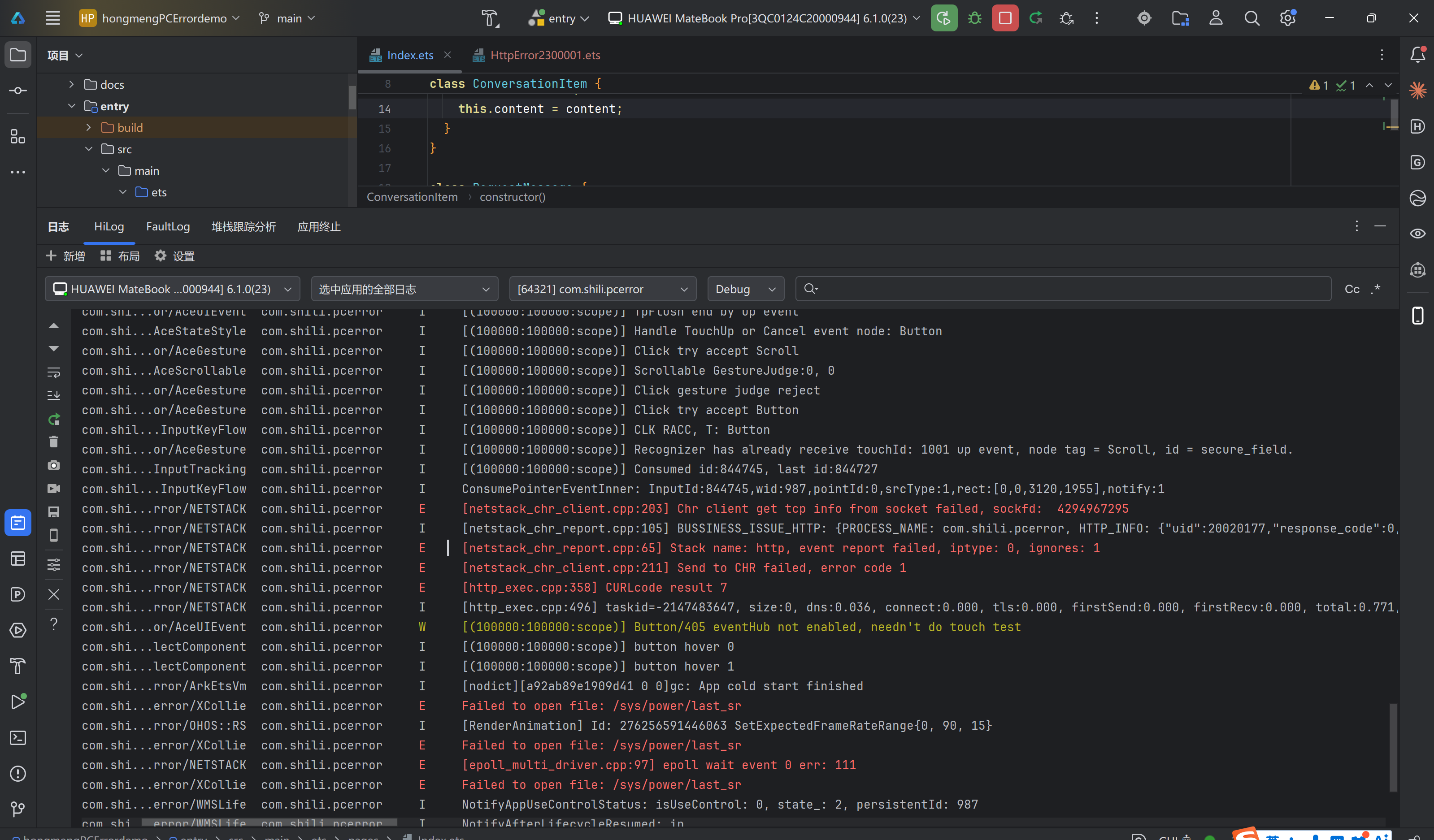
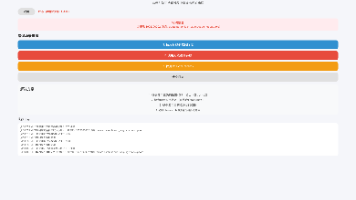
实际问题复现: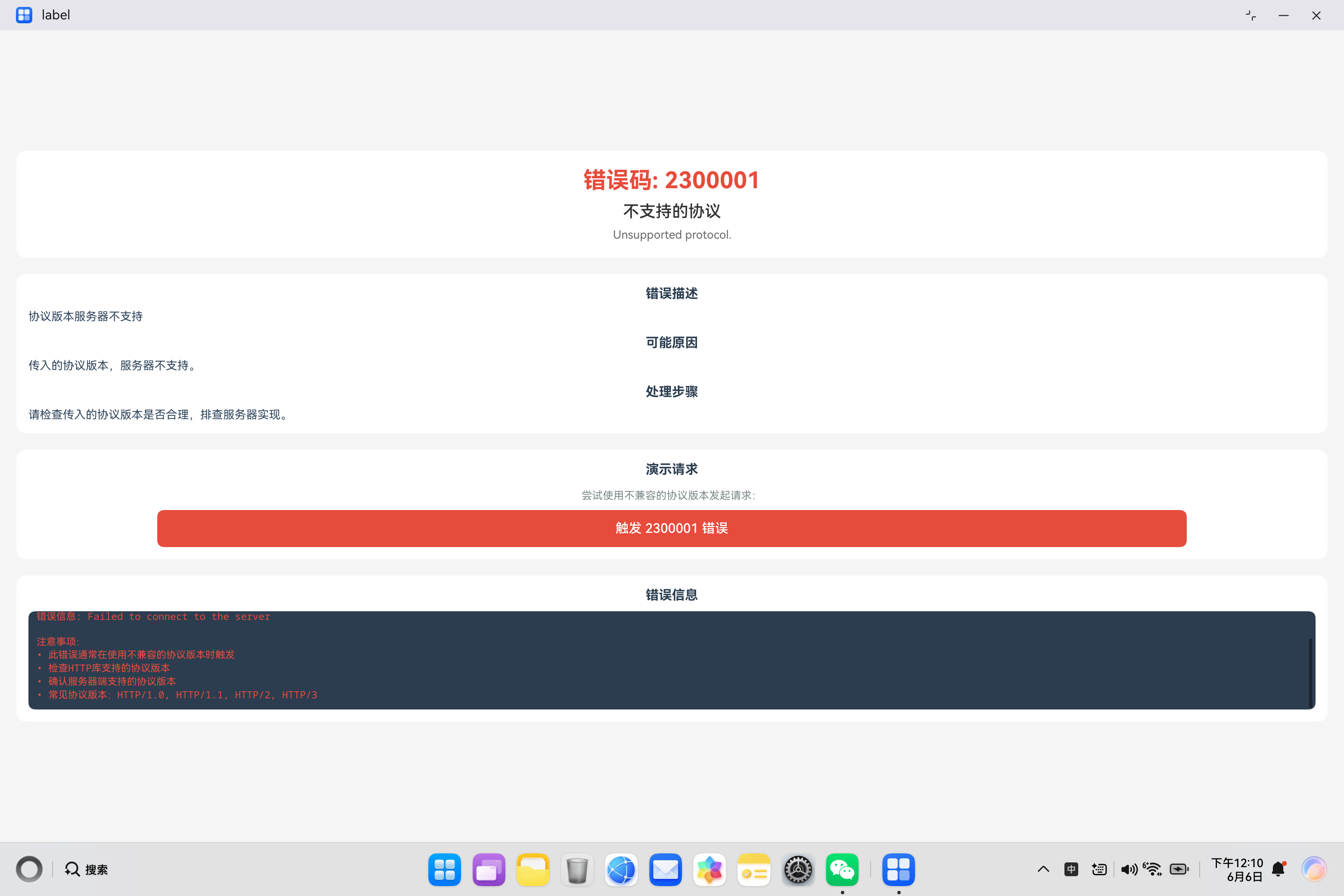
解决: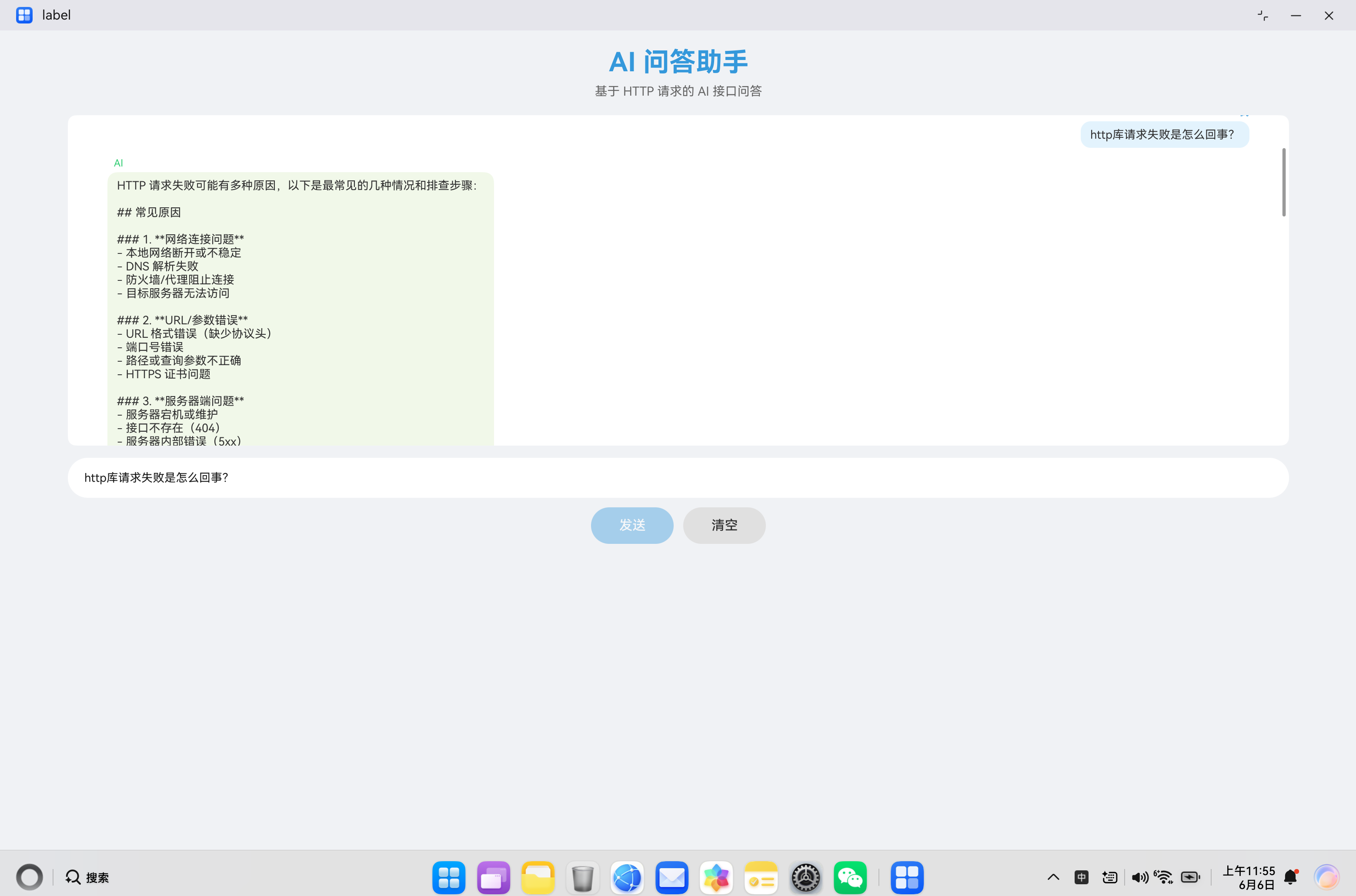
一、问题背景
在 HarmonyOS 应用开发过程中,网络请求是必不可少的功能模块。当我们使用 @ohos.net.http 模块发起 HTTP 请求时,可能会遇到各种错误码。其中,错误码 2300001 是一个较为基础但容易被忽视的问题——不支持的协议。
本文将深入分析该错误码的产生原因、排查思路、解决方案以及最佳实践,帮助开发者在实际项目中快速定位和解决此类问题。
二、错误码详解
2.1 错误信息
错误码:2300001
错误信息:Unsupported protocol.
错误描述:协议版本服务器不支持
2.2 错误含义
错误码 2300001 表示客户端尝试使用的协议版本或协议类型不被服务器支持。这是一个底层网络协议层面的错误,通常发生在建立连接的初始阶段。
2.3 可能原因分析
根据 HarmonyOS 官方文档和实际开发经验,该错误主要由以下原因导致:
| 原因分类 | 具体描述 | 发生概率 |
|---|---|---|
| 协议版本不匹配 | 客户端使用的 HTTP 协议版本(如 HTTP/0.9、HTTP/3)不被服务器支持 | 中 |
| 协议类型错误 | 使用了非 HTTP/HTTPS 协议(如 FTP、WebSocket)但未正确配置 | 低 |
| 服务器配置问题 | 服务器端禁用了某些协议版本 | 低 |
| 网络代理干扰 | 中间代理服务器不支持特定协议 | 低 |
三、核心代码解析
3.1 标准的 HTTP 请求实现
以下是 HarmonyOS 中标准的 HTTP 请求实现代码:
import http from '@ohos.net.http';
import { BusinessError } from '@kit.BasicServicesKit';

async function sendHttpRequest(url: string): Promise<string> {
  // 创建 HTTP 请求对象
  const httpRequest = http.createHttp();

  try {
    // 发起请求
    const response = await httpRequest.request(url, {
      method: http.RequestMethod.GET,
      header: {
        'Content-Type': 'application/json'
      },
      connectTimeout: 60000,  // 连接超时 60 秒
      readTimeout: 60000      // 读取超时 60 秒
    });

    // 处理响应
    if (response.responseCode === 200) {
      return response.result as string;
    } else {
      console.error(`HTTP 错误码: ${response.responseCode}`);
      return '';
    }
  } catch (error) {
    const err = error as BusinessError;
    console.error(`请求失败: ${err.code}, ${err.message}`);
    throw error;
  } finally {
    // 销毁请求对象,释放资源
    httpRequest.destroy();
  }
}
代码要点说明:
- 创建请求对象:使用
http.createHttp()创建一个新的 HTTP 请求对象,每次请求都应创建新对象 - 配置请求参数:设置请求方法、请求头、超时时间等参数
- 错误处理:使用 try-catch 捕获可能的异常,包括协议错误
- 资源释放:在 finally 块中调用
destroy()方法释放资源
3.2 协议版本配置
HarmonyOS 的 HTTP 模块支持多种协议版本,以下是协议配置的相关代码:
// HTTP 协议版本枚举
enum HttpVersion {
  HTTP1_0 = 'HTTP/1.0',
  HTTP1_1 = 'HTTP/1.1',
  HTTP2 = 'HTTP/2',
  HTTP3 = 'HTTP/3'
}

// 请求配置类
class HttpRequestConfig {
  url: string = '';
  method: http.RequestMethod = http.RequestMethod.GET;
  version: HttpVersion = HttpVersion.HTTP1_1;  // 默认使用 HTTP/1.1
  header: Record<string, string> = {};
  connectTimeout: number = 60000;
  readTimeout: number = 60000;

  constructor(url: string) {
    this.url = url;
  }
}

// 发起带协议版本的请求
async function sendRequestWithVersion(config: HttpRequestConfig): Promise<void> {
  const httpRequest = http.createHttp();

  try {
    // 根据协议版本设置不同的请求头
    const headers: Record<string, string> = {
      ...config.header
    };

    if (config.version === HttpVersion.HTTP2) {
      headers['Upgrade'] = 'h2c';
    } else if (config.version === HttpVersion.HTTP3) {
      headers['Alt-Svc'] = 'h3=":443"';
    }

    await httpRequest.request(config.url, {
      method: config.method,
      header: headers as Object,
      connectTimeout: config.connectTimeout,
      readTimeout: config.readTimeout
    });
  } catch (error) {
    const err = error as BusinessError;
    if (err.code === 2300001) {
      console.error('协议不支持,请检查服务器配置');
    }
  } finally {
    httpRequest.destroy();
  }
}
关键点解析:
- HTTP/1.0:最早的 HTTP 版本,每次请求都需要建立新连接
- HTTP/1.1:当前主流版本,支持持久连接和管道化
- HTTP/2:支持多路复用、头部压缩等特性
- HTTP/3:基于 QUIC 协议,提供更好的性能
3.3 错误捕获与处理
完善的错误处理机制是解决协议问题的关键:
class HttpErrorHandler {
  // 错误码映射表
  private static readonly ERROR_MAP: Record<number, string> = {
    2300001: '不支持的协议',
    2300003: 'URL格式错误',
    2300006: '域名解析失败',
    2300007: '无法连接到服务器',
    2300028: '操作超时'
  };

  // 处理错误
  static handleError(error: BusinessError): void {
    const errorName = this.ERROR_MAP[error.code] || '未知错误';

    console.error(`=== 错误信息 ===`);
    console.error(`错误码: ${error.code}`);
    console.error(`错误名称: ${errorName}`);
    console.error(`错误消息: ${error.message}`);

    // 针对不同错误码的处理策略
    switch (error.code) {
      case 2300001:
        this.handleUnsupportedProtocol(error);
        break;
      case 2300006:
        this.handleDnsError(error);
        break;
      case 2300007:
        this.handleConnectionError(error);
        break;
      default:
        console.error('请检查网络连接和服务器状态');
    }
  }

  // 处理协议不支持错误
  private static handleUnsupportedProtocol(error: BusinessError): void {
    console.error('>>> 协议不支持错误处理 <<<');
    console.error('建议排查步骤:');
    console.error('1. 确认 URL 使用 http:// 或 https:// 协议');
    console.error('2. 检查服务器支持的协议版本');
    console.error('3. 尝试使用 HTTP/1.1 协议');
    console.error('4. 检查是否存在代理服务器干扰');
  }

  // 处理 DNS 解析错误
  private static handleDnsError(error: BusinessError): void {
    console.error('>>> DNS 解析错误处理 <<<');
    console.error('建议排查步骤:');
    console.error('1. 检查域名拼写是否正确');
    console.error('2. 确认网络连接正常');
    console.error('3. 尝试使用 IP 地址访问');
  }

  // 处理连接错误
  private static handleConnectionError(error: BusinessError): void {
    console.error('>>> 连接错误处理 <<<');
    console.error('建议排查步骤:');
    console.error('1. 确认服务器地址和端口');
    console.error('2. 检查防火墙设置');
    console.error('3. 验证服务器是否运行');
  }
}

// 使用示例
async function safeHttpRequest(url: string): Promise<void> {
  const httpRequest = http.createHttp();

  try {
    await httpRequest.request(url, {
      method: http.RequestMethod.GET,
      connectTimeout: 30000,
      readTimeout: 30000
    });
  } catch (error) {
    HttpErrorHandler.handleError(error as BusinessError);
  } finally {
    httpRequest.destroy();
  }
}
3.4 协议兼容性检测
在实际开发中,建议实现协议兼容性检测机制:
class ProtocolDetector {
  // 检测服务器支持的协议
  static async detectSupportedProtocols(baseUrl: string): Promise<string[]> {
    const supportedProtocols: string[] = [];

    // 测试 HTTP/1.1
    if (await this.testProtocol(baseUrl, 'HTTP/1.1')) {
      supportedProtocols.push('HTTP/1.1');
    }

    // 测试 HTTP/2
    if (await this.testProtocol(baseUrl, 'HTTP/2')) {
      supportedProtocols.push('HTTP/2');
    }

    return supportedProtocols;
  }

  // 测试特定协议
  private static async testProtocol(url: string, version: string): Promise<boolean> {
    const httpRequest = http.createHttp();

    try {
      const response = await httpRequest.request(url, {
        method: http.RequestMethod.GET,
        header: {
          'User-Agent': 'HarmonyOS-Protocol-Detector/1.0'
        },
        connectTimeout: 5000,
        readTimeout: 5000
      });

      return response.responseCode === 200;
    } catch (error) {
      const err = error as BusinessError;
      if (err.code === 2300001) {
        console.warn(`${version} 协议不支持`);
      }
      return false;
    } finally {
      httpRequest.destroy();
    }
  }

  // 获取最佳协议版本
  static getBestProtocol(supportedProtocols: string[]): string {
    // 优先使用 HTTP/2,其次 HTTP/1.1
    if (supportedProtocols.includes('HTTP/2')) {
      return 'HTTP/2';
    }
    if (supportedProtocols.includes('HTTP/1.1')) {
      return 'HTTP/1.1';
    }
    return 'HTTP/1.0';
  }
}
四、实战案例分析
4.1 案例1:错误的协议头导致 2300001 错误
问题描述:
开发者在使用 HTTP 请求时,错误地使用了 FTP 协议头:
// 错误示例
const httpRequest = http.createHttp();
await httpRequest.request('ftp://example.com/file.txt', {
  method: http.RequestMethod.GET
});
错误日志:
错误码: 2300001
错误信息: Unsupported protocol.
解决方案:
HarmonyOS 的 HTTP 模块仅支持 http:// 和 https:// 协议。对于 FTP 等其他协议,需要使用专门的模块或第三方库。
// 正确示例 - 使用 HTTP 协议
const httpRequest = http.createHttp();
await httpRequest.request('https://example.com/file.txt', {
  method: http.RequestMethod.GET
});
4.2 案例2:HTTP/3 协议兼容性问题
问题描述:
某些服务器尚未支持 HTTP/3 协议,客户端尝试强制使用时触发 2300001 错误。
解决方案:
实现协议降级机制:
class AdaptiveHttpClient {
  private static readonly PROTOCOL_PRIORITY = ['HTTP/2', 'HTTP/1.1', 'HTTP/1.0'];

  static async request(url: string): Promise<string> {
    for (const protocol of this.PROTOCOL_PRIORITY) {
      try {
        console.log(`尝试使用 ${protocol} 协议...`);
        const result = await this.tryRequest(url, protocol);
        console.log(`${protocol} 协议请求成功`);
        return result;
      } catch (error) {
        const err = error as BusinessError;
        if (err.code === 2300001) {
          console.warn(`${protocol} 协议不支持,尝试下一个协议`);
          continue;
        }
        // 其他错误直接抛出
        throw error;
      }
    }
    throw new Error('所有协议版本均不支持');
  }

  private static async tryRequest(url: string, protocol: string): Promise<string> {
    const httpRequest = http.createHttp();

    try {
      const response = await httpRequest.request(url, {
        method: http.RequestMethod.GET,
        connectTimeout: 30000,
        readTimeout: 30000
      });

      if (response.responseCode === 200) {
        return response.result as string;
      }
      throw new Error(`HTTP 错误: ${response.responseCode}`);
    } finally {
      httpRequest.destroy();
    }
  }
}
4.3 案例3:代理服务器协议限制
问题描述:
在企业网络环境中,代理服务器可能不支持某些 HTTP 协议版本,导致 2300001 错误。
排查步骤:
- 确认网络环境是否使用代理
- 检查代理服务器支持的协议版本
- 配置应用使用标准协议
解决方案:
// 检测代理环境
async function detectProxyEnvironment(): Promise<boolean> {
  // 尝试直连
  const directResult = await testDirectConnection();

  // 尝试代理连接
  const proxyResult = await testProxyConnection();

  return !directResult && proxyResult;
}

async function testDirectConnection(): Promise<boolean> {
  const httpRequest = http.createHttp();
  try {
    await httpRequest.request('https://www.google.com', {
      method: http.RequestMethod.GET,
      connectTimeout: 5000
    });
    return true;
  } catch (error) {
    return false;
  } finally {
    httpRequest.destroy();
  }
}

async function testProxyConnection(): Promise<boolean> {
  // 实际项目中需要配置代理参数
  return false;
}
五、最佳实践建议
5.1 URL 格式验证
在发起请求前,对 URL 进行格式验证:
class UrlValidator {
  // 验证 URL 格式
  static validate(url: string): boolean {
    // 检查协议头
    if (!url.startsWith('http://') && !url.startsWith('https://')) {
      console.error('URL 必须以 http:// 或 https:// 开头');
      return false;
    }

    // 检查主机名
    const urlPattern = /^https?:\/\/[\w\-]+(\.[\w\-]+)+/;
    if (!urlPattern.test(url)) {
      console.error('URL 格式不正确');
      return false;
    }

    return true;
  }

  // 规范化 URL
  static normalize(url: string): string {
    // 自动添加协议头
    if (!url.startsWith('http://') && !url.startsWith('https://')) {
      return 'https://' + url;
    }
    return url;
  }
}

// 使用示例
async function safeRequest(url: string): Promise<void> {
  // 验证 URL
  if (!UrlValidator.validate(url)) {
    throw new Error('URL 格式验证失败');
  }

  const httpRequest = http.createHttp();
  try {
    await httpRequest.request(url, {
      method: http.RequestMethod.GET
    });
  } finally {
    httpRequest.destroy();
  }
}
5.2 完善的错误处理流程
interface HttpRequestOptions {
  url: string;
  method?: http.RequestMethod;
  header?: Record<string, string>;
  body?: string;
  timeout?: number;
  retries?: number;
}

class RobustHttpClient {
  private static readonly DEFAULT_TIMEOUT = 30000;
  private static readonly DEFAULT_RETRIES = 3;

  static async request(options: HttpRequestOptions): Promise<string> {
    const retries = options.retries || this.DEFAULT_RETRIES;
    let lastError: BusinessError | null = null;

    for (let i = 0; i < retries; i++) {
      try {
        return await this.doRequest(options);
      } catch (error) {
        lastError = error as BusinessError;

        // 协议错误不重试
        if (lastError.code === 2300001) {
          throw new Error(`协议不支持: ${options.url}`);
        }

        // 超时或网络错误可重试
        console.warn(`请求失败 (尝试 ${i + 1}/${retries}): ${lastError.message}`);

        // 等待一段时间后重试
        await this.delay(1000 * (i + 1));
      }
    }

    throw lastError;
  }

  private static async doRequest(options: HttpRequestOptions): Promise<string> {
    const httpRequest = http.createHttp();

    try {
      const response = await httpRequest.request(options.url, {
        method: options.method || http.RequestMethod.GET,
        header: options.header as Object,
        extraData: options.body,
        connectTimeout: options.timeout || this.DEFAULT_TIMEOUT,
        readTimeout: options.timeout || this.DEFAULT_TIMEOUT
      });

      if (response.responseCode === 200) {
        return response.result as string;
      }

      throw new Error(`HTTP 错误: ${response.responseCode}`);
    } finally {
      httpRequest.destroy();
    }
  }

  private static delay(ms: number): Promise<void> {
    return new Promise(resolve => setTimeout(resolve, ms));
  }
}
5.3 日志记录与监控
class HttpLogger {
  private static readonly TAG = 'HTTP';

  static logRequest(url: string, method: string): void {
    console.info(`[${this.TAG}] 发起请求: ${method} ${url}`);
    console.info(`[${this.TAG}] 时间: ${new Date().toISOString()}`);
  }

  static logResponse(url: string, statusCode: number, duration: number): void {
    console.info(`[${this.TAG}] 响应接收: ${url}`);
    console.info(`[${this.TAG}] 状态码: ${statusCode}`);
    console.info(`[${this.TAG}] 耗时: ${duration}ms`);
  }

  static logError(url: string, error: BusinessError): void {
    console.error(`[${this.TAG}] 请求失败: ${url}`);
    console.error(`[${this.TAG}] 错误码: ${error.code}`);
    console.error(`[${this.TAG}] 错误信息: ${error.message}`);

    // 针对协议错误的特殊日志
    if (error.code === 2300001) {
      console.error(`[${this.TAG}] >>> 协议不支持 <<<`);
      console.error(`[${this.TAG}] 请检查 URL 格式和服务器配置`);
    }
  }
}
六、常见问题 FAQ
Q1:为什么会出现 2300001 错误?
A:主要原因包括:
- 使用了非 HTTP/HTTPS 协议(如 FTP、WebSocket)
- HTTP 协议版本不匹配(如服务器不支持 HTTP/3)
- URL 格式错误导致协议解析失败
- 网络代理服务器限制
Q2:如何确认服务器支持的协议版本?
A:可以通过以下方式:
- 查看服务器文档或配置
- 使用网络抓包工具分析
- 实现协议检测机制(参考本文代码示例)
Q3:HTTP/2 和 HTTP/3 有什么区别?
A:
| 特性 | HTTP/1.1 | HTTP/2 | HTTP/3 |
|---|---|---|---|
| 传输层 | TCP | TCP | QUIC |
| 多路复用 | 否 | 是 | 是 |
| 头部压缩 | 否 | HPACK | QPACK |
| 连接建立 | 3次握手 | 3次握手+ALPN | 0-RTT |
| 队头阻塞 | 有 | TCP层有 | 无 |
Q4:如何避免协议错误?
A:建议采取以下措施:
- 始终使用标准的 HTTP/HTTPS 协议头
- 实现协议兼容性检测
- 添加完善的错误处理机制
- 记录详细的请求日志
七、总结
错误码 2300001(不支持的协议)虽然看似简单,但涉及网络协议的底层机制。通过本文的详细分析,我们了解到:
- 问题本质:协议版本或类型不匹配导致的底层连接错误
- 排查方法:检查 URL 格式、协议版本、服务器配置
- 解决方案:实现协议检测、降级机制、完善错误处理
- 最佳实践:URL 验证、重试机制、日志监控
在实际开发中,建议开发者:
- 使用标准的 HTTP/1.1 或 HTTP/2 协议
- 实现完善的错误处理和重试机制
- 添加详细的日志记录便于问题排查
- 在生产环境中实现协议兼容性检测
通过以上措施,可以有效避免和解决 2300001 错误,提升应用的稳定性和用户体验。
八、参考资源
作者说明:本文基于 HarmonyOS API 12 及以上版本编写,部分代码示例可能需要根据实际项目进行调整。如有疑问,请参考官方最新文档或提交 Issue。
作为“人工智能6S店”的官方数字引擎,为AI开发者与企业提供一个覆盖软硬件全栈、一站式门户。
更多推荐
 0
0 0
0- 0


 已为社区贡献6条内容

所有评论(0)